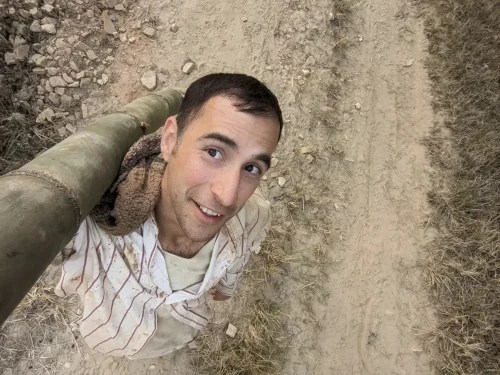
After the formal course ended, I headed down with the exiting group to spend a few days in Kathmandu. On the way back up, the bus got stuck in the mud for about 1.5 hours. It was amusing/ frustrating watching the Nepali passengers attempt various methods to free the bus. I had my own ideas, but they were shot down. When the men were tired and resting, the bus backed up to get a “running start”. I quickly leveled the ground with a stick and stomped down to compact the earth. The bus rushed up and made it. I can’t say that my efforts was what did it, as it was in combination with techniques others were using, but in any case, I was able to see once again the mental irritation that comes up when others reject my ideas, insisting their strategies being best.
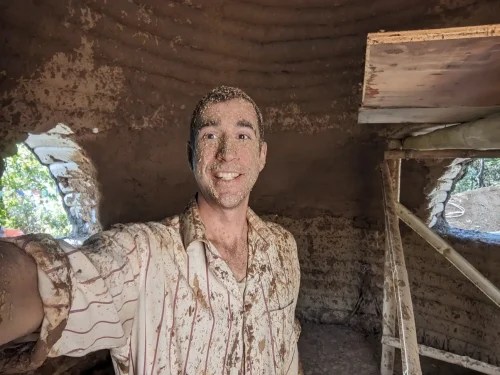
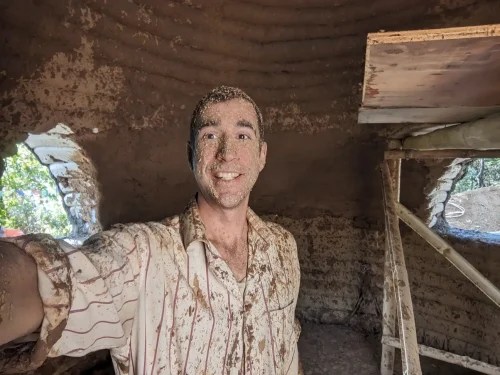
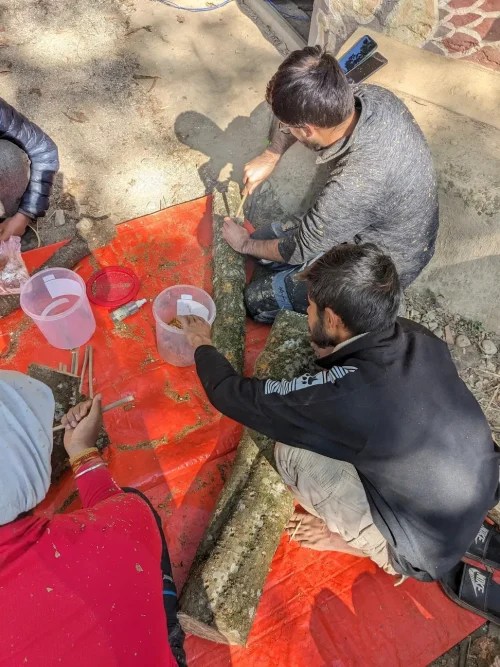
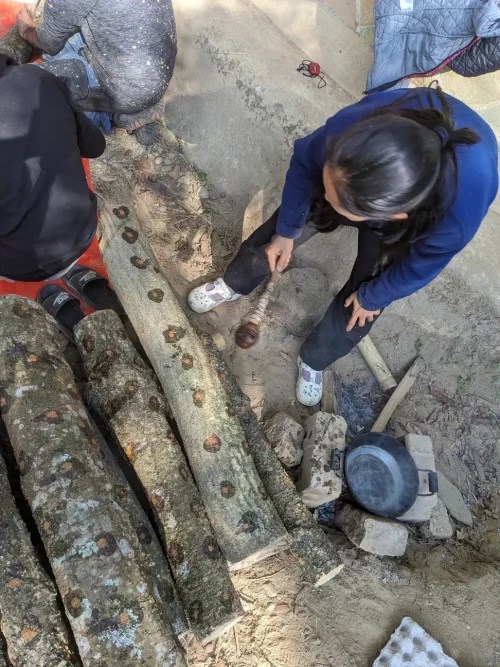
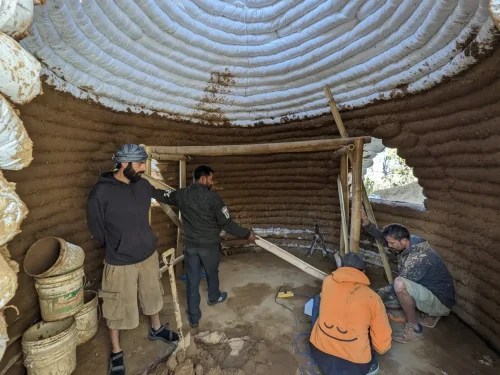
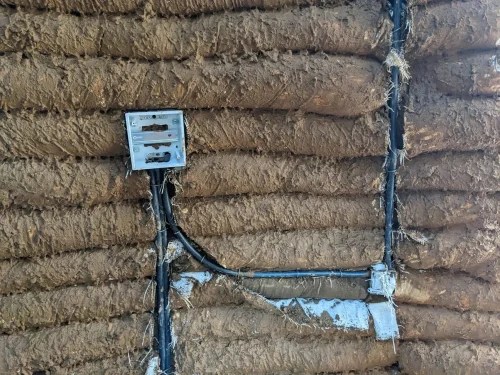
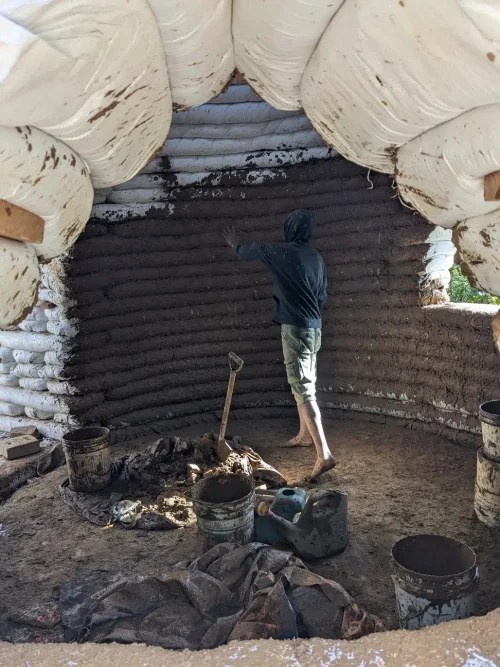
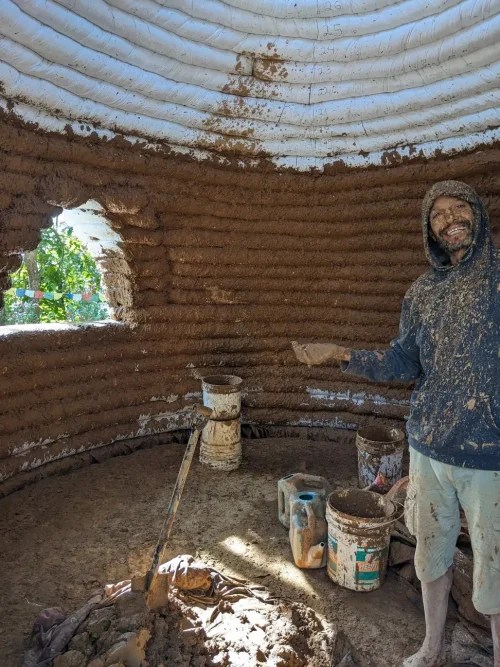
Back at camp, a few volunteers remained. We got started with plastering the inside of the dome with earth. We used an angle grinder to cut holes in the earthbags to insert the skeleton of the electrical system. We also build a scaffold out of bamboo to reach the ceiling. The agriculture team, meanwhile, worked on inoculating chestnut logs with shitake mushroom spores.
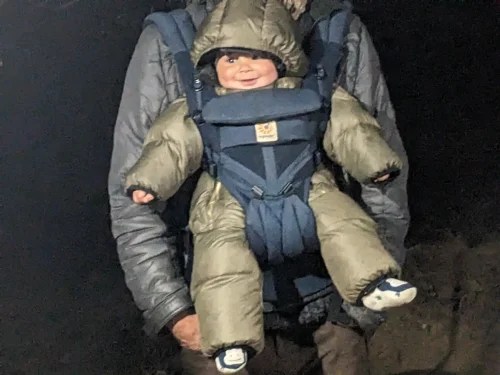
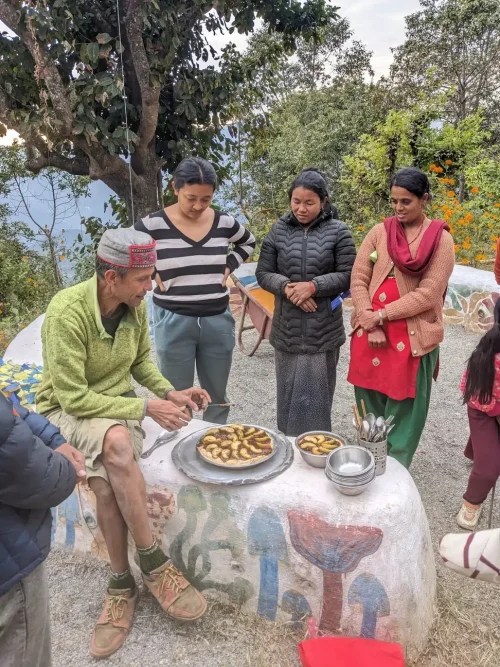
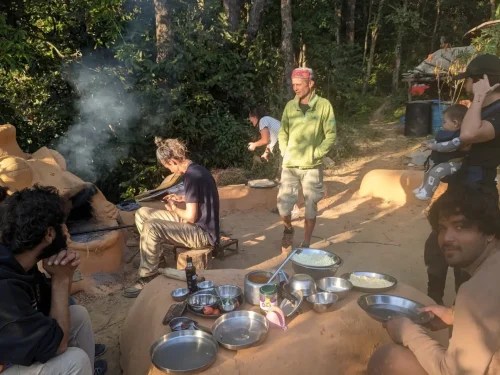
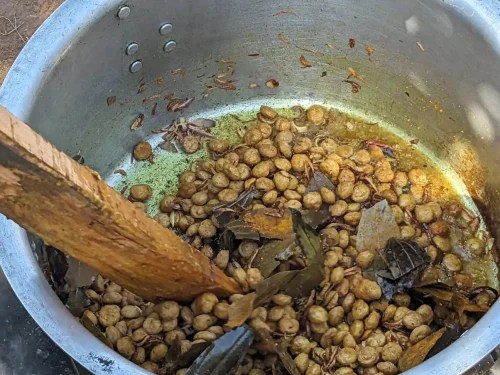
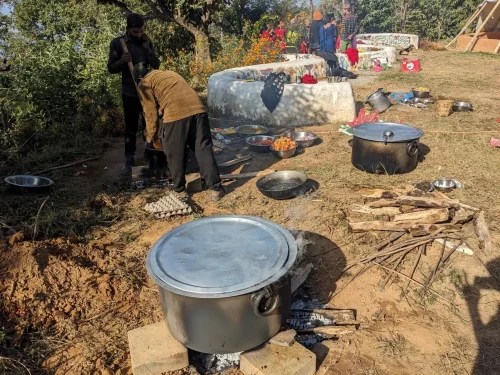
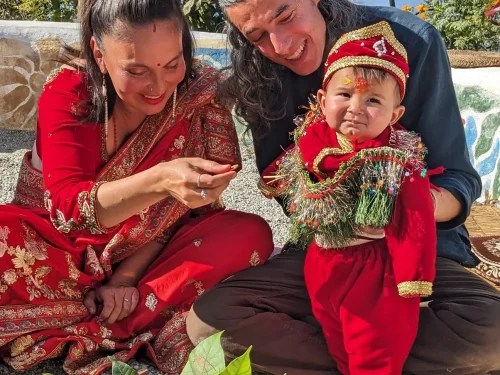
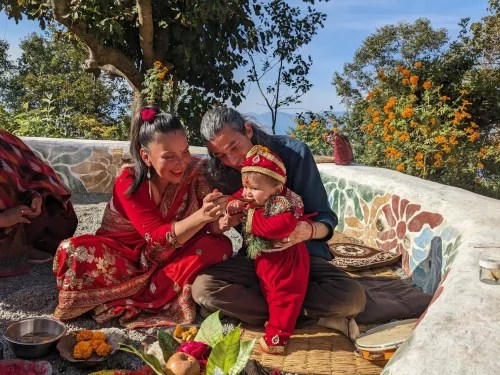
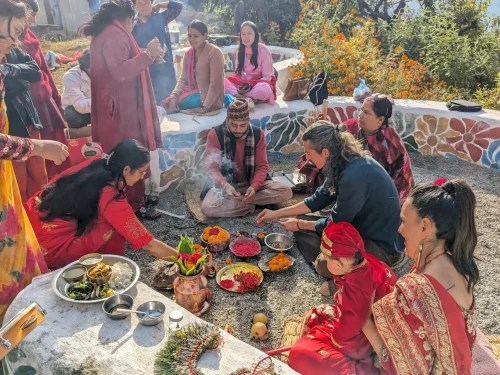
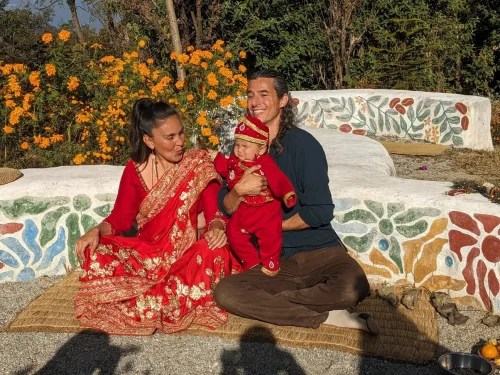
Kamilo, Mariana’s and Orian’s son, had his first food tasting ceremony. Here, the local tradition is to have a priest offer and lead the father of the child into offering various blessings to the child. The community is invited to witness, offering their own blessings, eat, and celebrate.
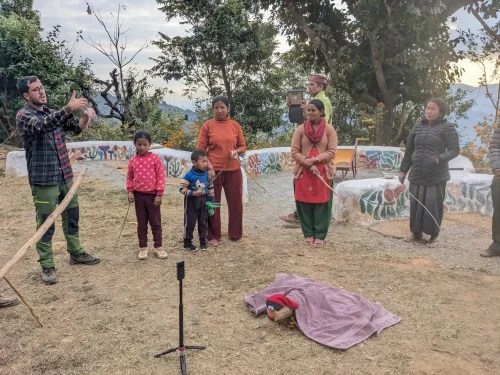
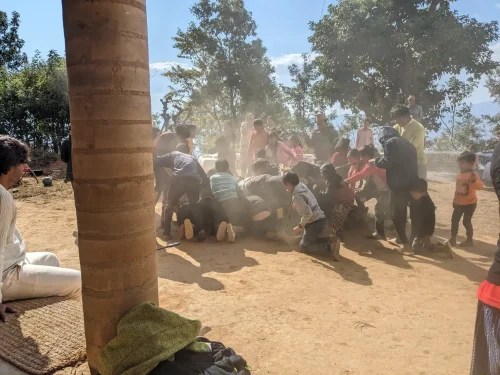
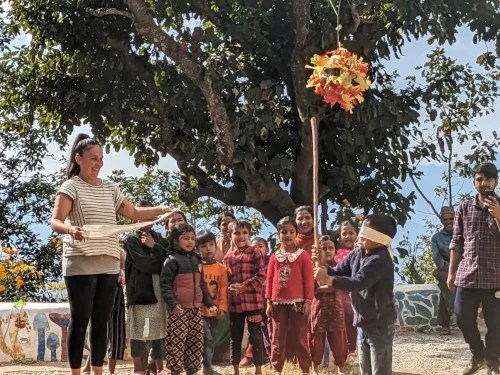
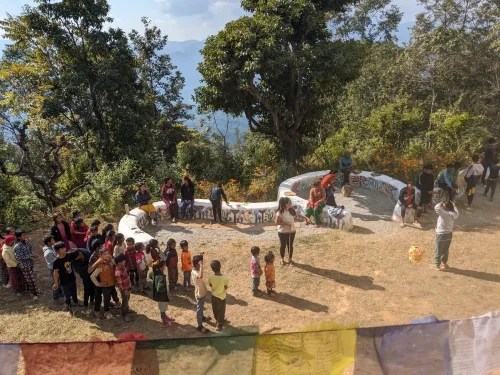
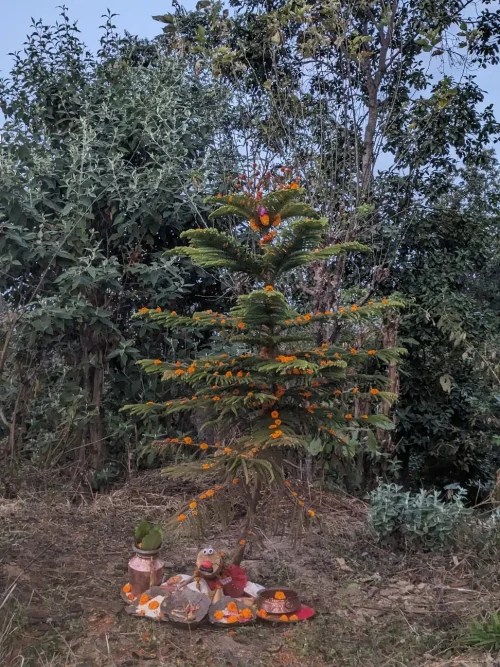
The holidays were pretty special. We had a white elephant exchange. Oriol, a Catalonian volunteer, brought the “Tio” tradition of hitting a log, with a face, gently, and it then “pooping” out presents. We also had a Catalonian soup for dinner. On Christmas, the camp hosts a yearly pinata breaking for the children of the community.
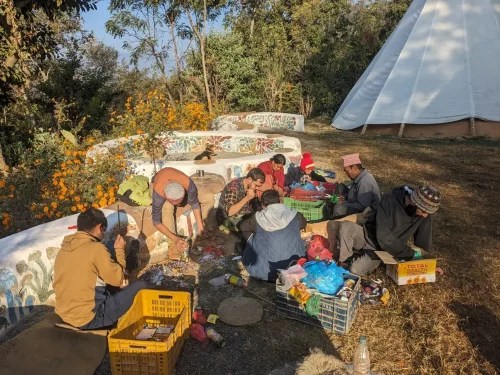
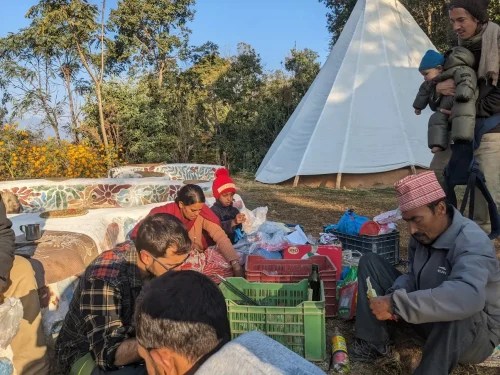
One of the most exciting days was trash day. I was ecstatic to see that this community makes ecobricks! I have never encountered a community, and very rarely individuals, who take responsibility for what they consume. For years I’ve been advocating for people to consume less disposable plastic products and to make ecobricks from the waste they do use.
For more information on how you can become an environmentally responsible citizen of this planet who takes ownership for what they consume, make ecobricks, click here.
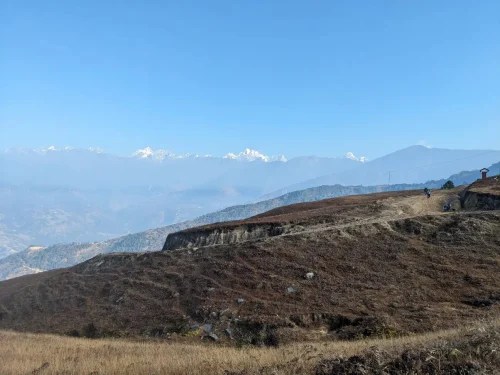
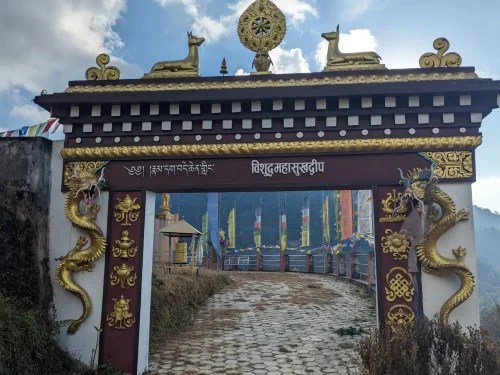
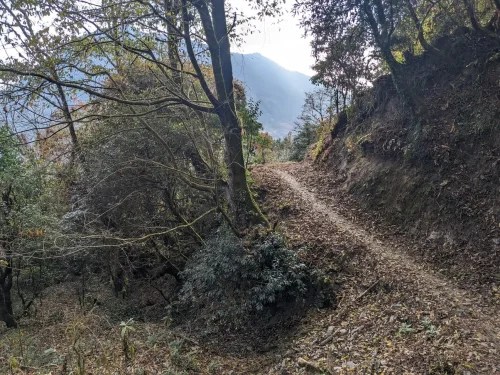
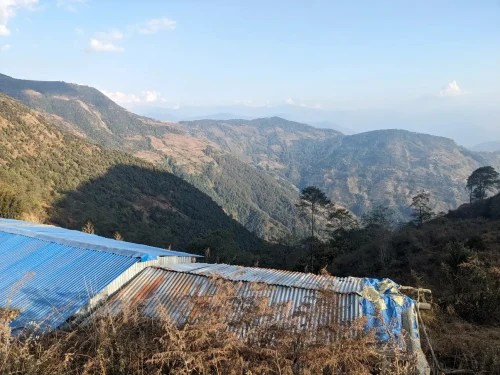
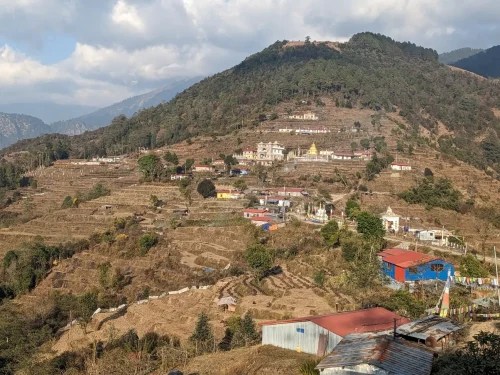
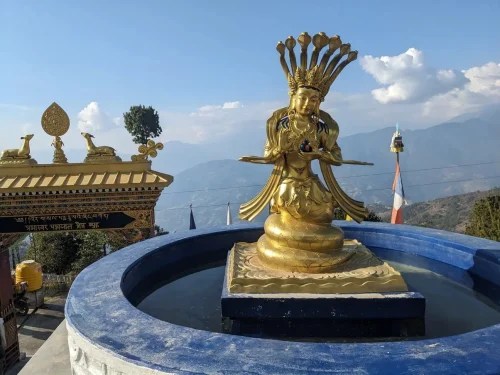
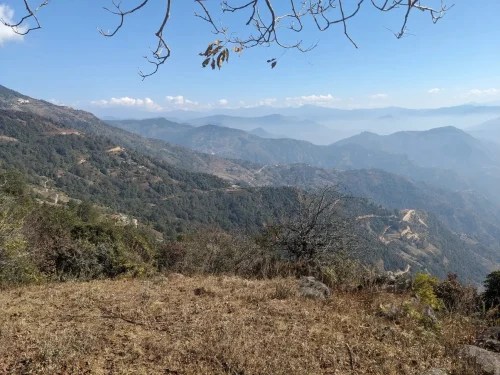
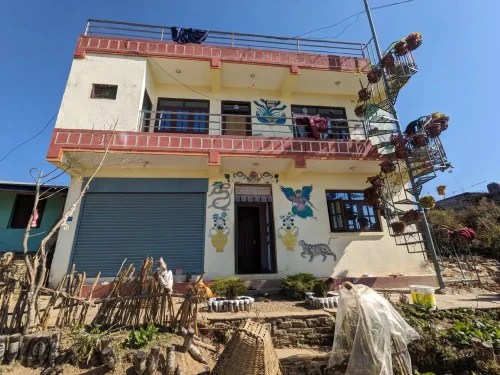
For the new year, we hiked 7 hours up some mountains to a place called Gobre. The journey was filled unique sites. I saw this one house with the Tibetan Bon tradition 4 dignities painted on the entrance: Tiger, Lion, Garuda, Dragon.
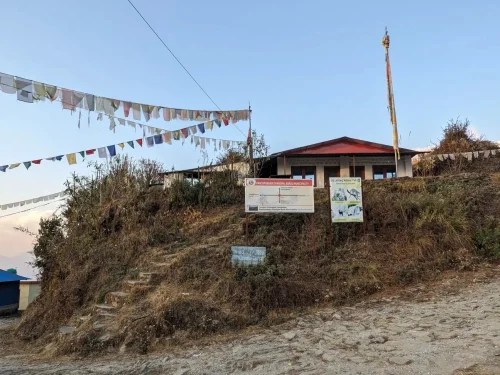
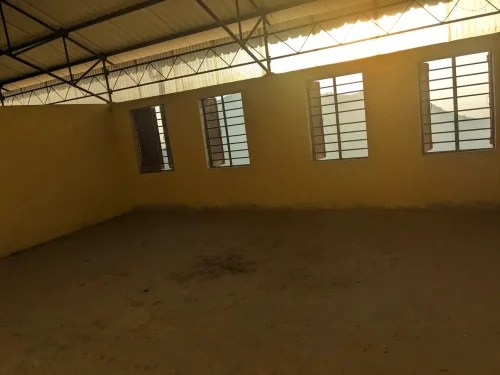
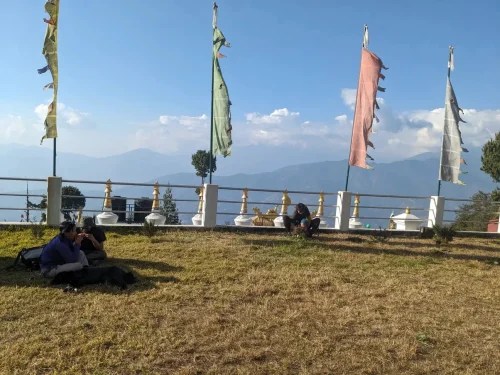
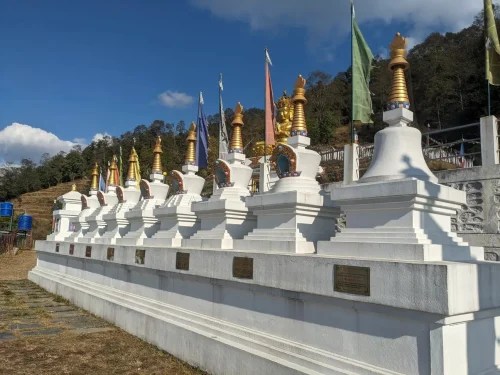
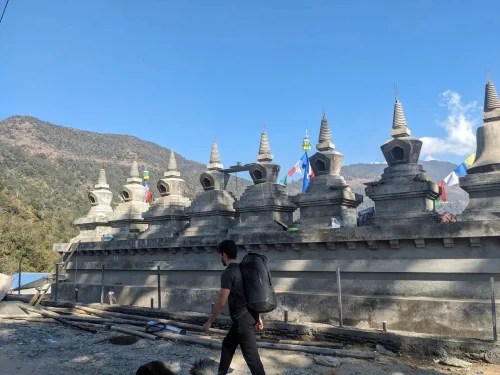
On the way up, we passed 3 stupas. Just before arriving at the destination, I came across a very simple school. It looked so bare, it was as though it were not in use, but I heard from the locals otherwise.
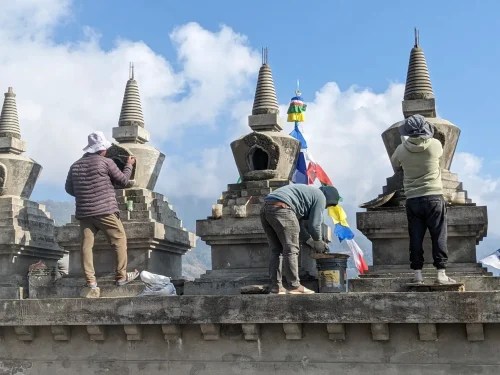
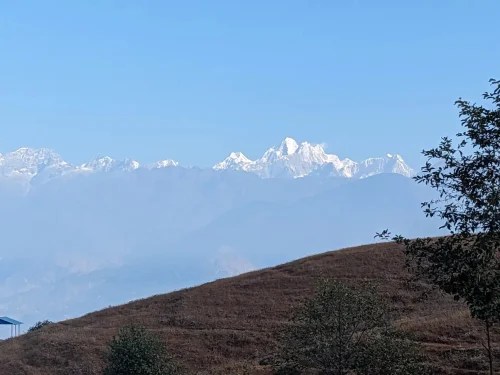
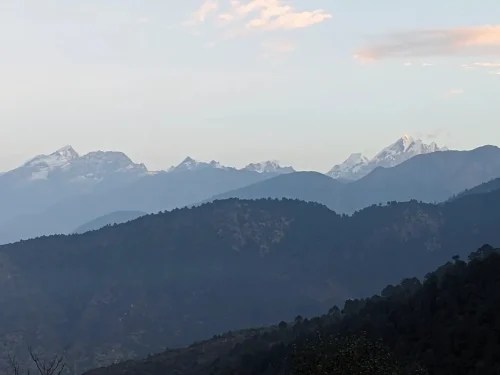
The nights and the morning were met with frost on the ground. The mornings were clear and offered spectacular views of distant snow capped Langtang mountains, one of which looked like the face of an old man staring back. On the way back down, I saw some artisans working on the intricate carvings of little stupas using cement.
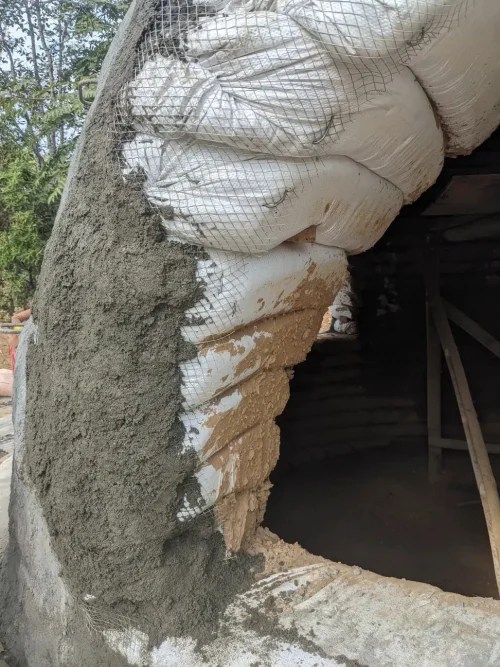
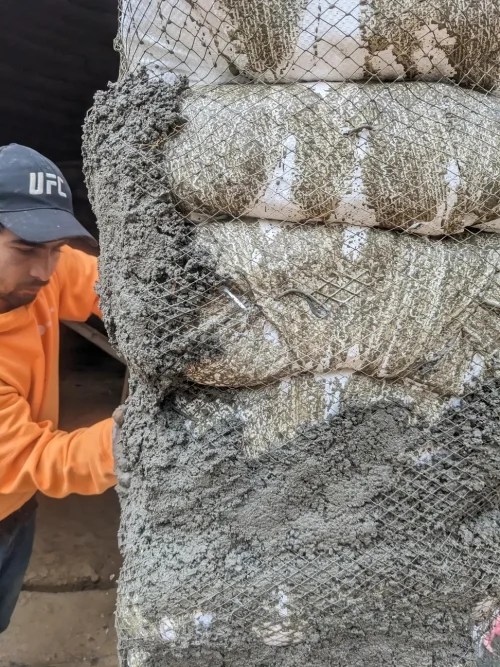
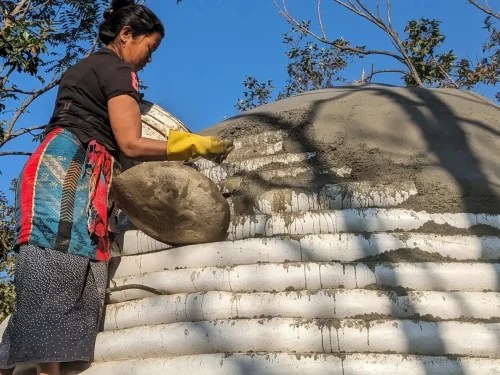
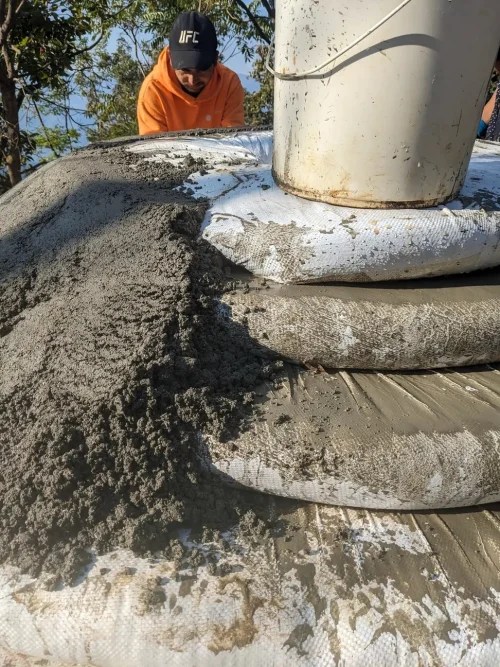
After a magic and memorable New Years, work resumed. We plastered the outside of the dome with cement, perhaps my least favorite, however necessary part of the process. Cement is so much harsher on the skin than earth plaster. The dome top was easy, but the vertical parts had to be covered in wire mesh to catch the plaster. We applied about 3 coats on the outside, then returned to apply additional earth coats on the inside.
At the time the dome plastering was coming to an end, we began prepping bamboo for the next project, an outdoor shower. Bamboo was harvested, transported, cut, and treated. Of the 7 volunteers who stayed on after the dome workshop ended, only 2 of us remain now. The preciousness of time is evident daily here.












 bodymovin.net